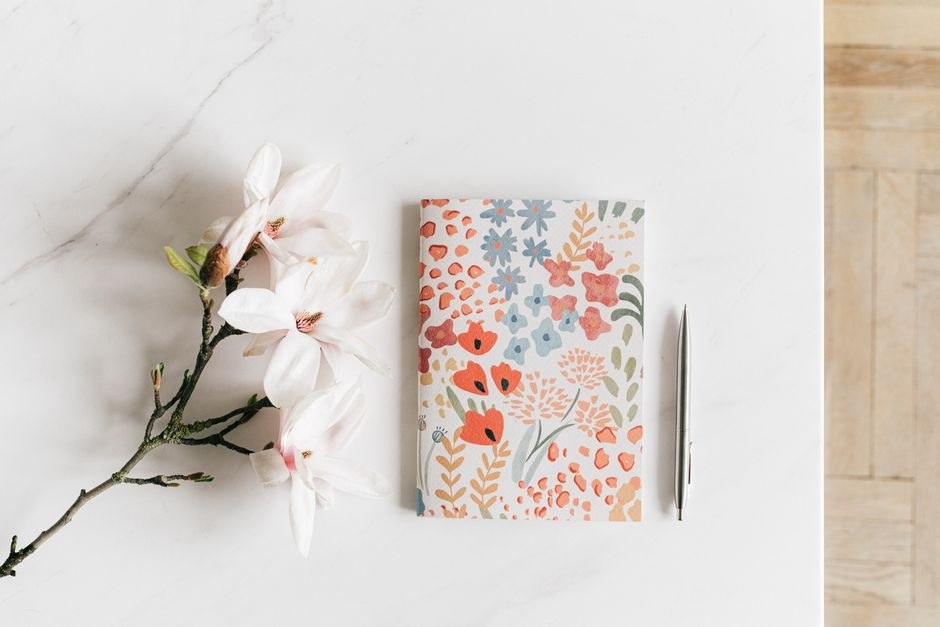
Keeping a Small Notebook for Books, Places, and Ideas
A small notebook can be one of the least demanding creative habits. It does not need to become a diary, a productivity system, or a carefully designed archive. Its value is simply that it gives passing thoughts somewhere to land.
Because paper has no notifications and no need for a folder structure, it suits fragments especially well. A book title heard in conversation can sit beside a quick sketch of a window, a train time, a sentence you want to remember, or the name of a café worth revisiting.
Begin with fragments, not entries
Many notebooks go unused because the first blank page seems to ask for something substantial. Ignore that feeling. Write the date and add one line. The notebook becomes easier to use as soon as it looks lived in.
Short notes also preserve the texture of a day better than polished summaries sometimes do. “Blue chairs outside the bakery” or “look up the architect of the station” may be enough to bring back an entire afternoon later.
Let books leave traces
Instead of writing a formal review after every book, note what actually stays with you. That might be a question raised by a chapter, a new word, a location mentioned in the story, or a brief paraphrase of an idea that connects with something else you have read.
Page numbers are useful if you want to return to a passage, but the notebook does not need to duplicate the book. A few clues are usually enough.
Use places as prompts
Notebooks are especially good companions for walks and short trips. Record names from signs, the route between two neighbourhoods, a dish you tried, the sound of a square at lunchtime, or a tiny detail that would never make it into a conventional travel guide.
Sketches can be practical rather than artistic. A rough floor plan of a museum, the outline of a roof, or the arrangement of objects on a market stall can help you notice relationships that a photograph might flatten.
Create a few recurring marks
If the notebook grows quickly, simple symbols make it easier to scan later. A star can mark something to revisit, a square can indicate a place, and a small arrow can point to an idea that connects with an earlier page. Keep the system small enough to remember without a key.
An index is optional. If you enjoy one, reserve the last two pages and add only the subjects you genuinely expect to look up again.
Review occasionally, not constantly
The notebook becomes more interesting when older pages are allowed to sit for a while. Every few weeks, leaf through them and circle anything that still feels useful. You may find that unrelated notes have started to form a theme: several references to gardens, repeated interest in a particular kind of architecture, or a cluster of books on the same subject.
Those patterns can suggest the next book to read, the next place to visit, or a small project to pursue. The notebook is not valuable because every page is important. It is valuable because it quietly keeps more of everyday attention from disappearing.