Packing Light for a Three-Day City Break
A three-day city break is short enough that luggage should not become part of the itinerary. A compact bag makes train changes easier, simplifies hotel check-in, and leaves more room for the actual point of the trip: walking, eating, visiting, and looking around.
The easiest way to pack lightly is not to chase a perfect minimalist list. It is to remove duplication. If two items serve the same purpose, take the one that works with more of the rest of the bag.
Decide on the outer layer first
The bulkiest clothing item often determines how everything else works. Check the likely temperature and choose one jacket, coat, or overshirt that is comfortable enough to wear in transit. If the forecast is changeable, a light waterproof layer usually earns its space more easily than a second heavy option.
Once the outer layer is decided, choose clothing that sits comfortably underneath it. This makes the bag feel coordinated without requiring carefully planned outfits.
Use a small shared colour palette
For a short trip, it helps when most tops can be worn with most bottoms. Neutral or repeated colours are practical because one spare layer can work on more than one day. The goal is not visual uniformity; it is avoiding the single garment that requires another pair of shoes or a separate jacket.
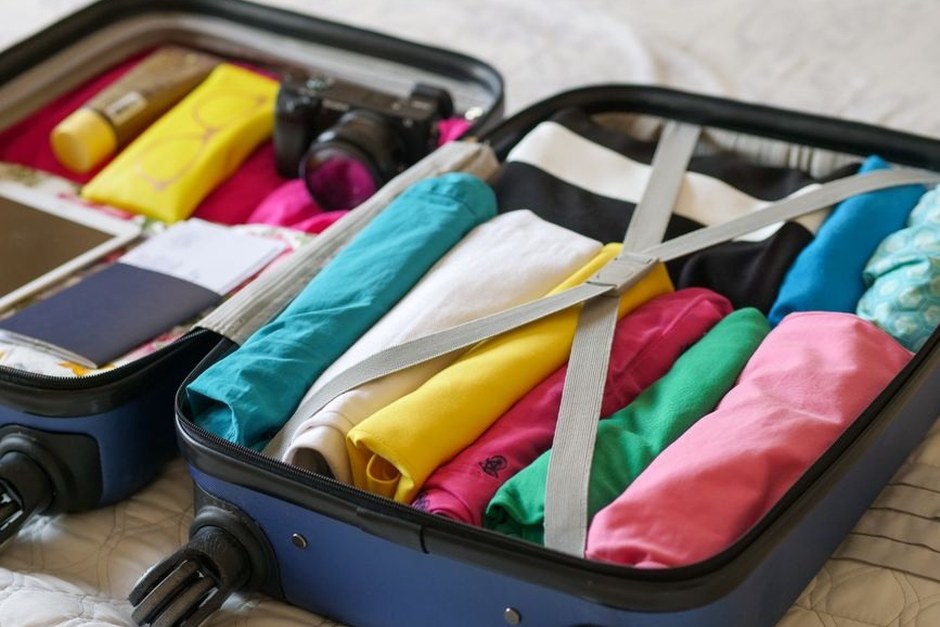
A simple starting point is two bottoms, three tops, one warm layer, sleepwear, underwear, and socks. Adjust for season and plans, but treat additions as specific exceptions rather than automatic extras.
One pair of reliable walking shoes is usually enough
Cities reward comfortable feet. If the trip is built around museums, cafés, neighbourhood walks, and casual dinners, the shoes you travel in can often be the only pair you need. They should already be broken in and able to handle several hours of walking.
A second pair makes sense when there is a clear reason, such as a formal event or very wet conditions. Otherwise it consumes a surprising amount of bag space.
Keep the small items genuinely small
Short trips rarely require full-size toiletries, a large first-aid pouch, several chargers, or every everyday accessory. Decant toiletries into small containers where practical, take one compact charging setup, and group cables in a single pouch so they are easy to find.
Documents, keys, headphones, and travel cards should have fixed pockets. A light bag is less useful if important items migrate between compartments all day.
Pack for the first hour after arrival
Place the things you are likely to need immediately near the top: a light layer, charger, water bottle, sunglasses, or a small umbrella depending on the season. This avoids unpacking the entire bag on a station platform or in a café.
If you are arriving before hotel check-in, it can also be useful to keep a very small day bag or tote accessible. Your main luggage can then stay closed while you begin exploring.
Do one final subtraction
When the bag is packed, look at each “just in case” item. Some are sensible; others are simply habits from longer trips. Remove the pieces that duplicate something already packed or solve a problem unlikely to occur.
Light packing is not about owning fewer things. It is about carrying fewer decisions. For three days, a small, coherent set of clothes and essentials is often more comfortable than having an option for every possible version of the trip.